


Various studies focused on protein nutrition (especially concerning MPS), have aimed to determine the best type, dosage, and timing for protein intake to maximize MPS rates post-exercise. For untrained individuals, protein supplementation seems to be more effective in reducing muscle soreness after concentric exercises, particularly when taken for just one day (supplementary Fig. S1b). The alteration in isometric and isokinetic MVC at 24 hours showed no distinct effect from factors such as protein type, timing or duration of supplementation, muscle group engaged, contraction type, or participant training status , supplementary Fig. S1a,. The analysis includes all qualifying trials, even those that are outliers. A sensitivity analysis was performed to identify potentially influential trials by sequentially removing each trial in the meta-analyses. As a result (various protein sources), including whey, casein, soy, wheat, and milk, have been explored as nutritional approaches to alleviate EIMD.
The original contributions related to protein intake (athletic performance), macronutrients, physiological indices, endurance capacity, and muscle strength are included in the article/supplementary material, with further inquiries directed to the lead author. Future research should prioritize blinding during outcome assessments in experiments to minimize possible biases.
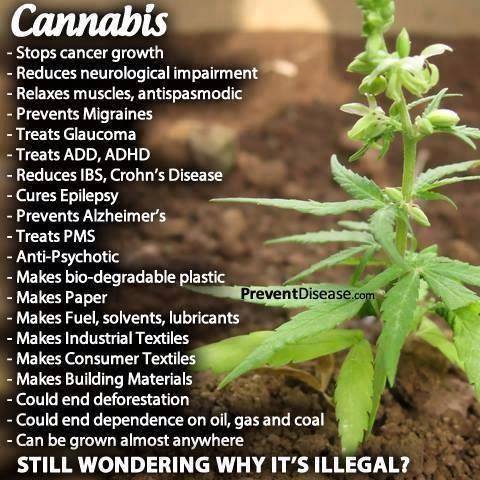
As they push themselves in training and on game day, they need rapid recovery from muscle strain and tissue damage. The challenges posed by traumatic brain injuries in sports are getting more attention than ever before, especially by the National Football League (NFL) and the National Hockey League (NHL). THC did not provide the same healing benefits. The implications for sports science are obvious, cannabis-based medicine may help athletes overcome the pain of lingering sports-related injuries.
Athletes can achieve https://www.abcmoney.co.uk/2024/11/cbd-vs-thc-examining-the-unique-roles-in-modern-medicine/ optimal omega-3 intake through fish oil supplements or by consuming foods high in omega-3s, like salmon, mackerel, and sardines, while those following a vegetarian or vegan diet may choose algae oil as a plant-based DHA source. By adding dairy products (such as milk and yogurt), to their post-exercise meals, athletes gain vital nutrients that support muscle recovery, bone health, and rehydration. The presence of proteins, vitamins, minerals, and electrolytes in milk highlights its significance in an athlete’s post-exercise nutrition plan. Studies have shown that drinking milk after exercise can influence inflammation, which is a crucial element in recovery. Moreover (focusing on the quality), purity, and proper use of supplements can alleviate potential risks, ensuring they beneficially impact an athlete’s health and performance. Nonetheless (while the advantages of electrolyte replenishment are recognized), understanding changes in electrolytes, minerals, and vitamins after exercise, especially post-traumatic brain injury, remains scarce.
This article aims to provide deep of knowledge of the influence of application of medicinal plants and herbs, as well as plant-based diets on athletes. Any alternative text , alt text, provided alongside figures in this article has been generated by Frontiers with the support of artificial intelligence and reasonable efforts have been made to ensure accuracy, including review by the authors wherever possible. EIMD potentially hinders training adaptations and hence several strategies have been investigated to mitigate EIMD including cryotherapy — massage, stretching, compression garments, electrostimulation 25, 26, and dietary manipulation. This article delves into the advantages of plant-based diets for athletes and sheds light on the impact of selected medicinal plants in sports nutrition and energy. When the article did not provide accurate data (the Get Data Graph Digitizer software extracted data from the graph), including the desired outcomes. Furthermore — resulting evidence could provide new clinical guidance for prescribing CBD during the athlete recovery process and other potential applications.
Current research highlights the potential benefits of various plant-based additives, such as beetroot juice for improving exercise performance through enhanced nitric oxide production and anti-inflammatory compounds from berries for reducing muscle soreness (22). The use of plant-based additives in sports nutrition has gained significant attention in recent years, driven by a growing interest in natural and holistic approaches to health and wellness. Furthermore, understanding the interplay between nutrition and exercise is essential for developing effective interventions aimed at improving health outcomes across various populations, including athletes and older adults , 19, 20,. Exercise nutrition is a vital area of study that focuses on the role of dietary intake in optimizing physical performance (recovery), and overall health in individuals engaged in physical activities.
On one hand, Rosenbloom et al. found that increasing protein intake might lead to a decrease in carbohydrate consumption, resulting in fatigue and poor performance during training (15). An increase in protein intake does not inherently result in enhanced power or muscle growth; further research is required to validate its effectiveness. According to Phillips and Van Loon (consuming protein post-exercise can improve adaptation by supporting glycogen resynthesis), but this benefit appears to manifest primarily when carbohydrate intake is inadequate (4). Nonetheless (protein is not the body’s first choice for fuel), and it is metabolized for energy more slowly than carbohydrates (CHO). Often, professional athletes coordinate their daily dietary plans with dietitians to effectively prepare for future competitions. Subgroup analyses indicate that protein intake enhances muscle glycogen levels — and the combination of protein with carbohydrates is more beneficial for endurance athletes than a high-protein intake alone.
By the end of the Devonian (most of the basic features of plants today were present), including roots, leaves and secondary wood in trees such as Archaeopteris. If material is not included in the article’s Creative Commons license and your intended use is not permitted by statutory regulation or exceeds the permitted use, you will need to obtain permission directly from the copyright holder. The images or other third party material in this article are included in the article’s Creative Commons license, unless indicated otherwise in a credit line to the material. The authors would like to thank Steven Higgins from the Durham University Research Methods Centre for his advice. These outcomes are seemingly unaffected by the type (timing), frequency, and dose of ingested protein, though may be affected by the exercise protocol and sample training status, with further examination required.
Only with such robust evidence can targeted recommendations for plant-based supplement use in sports nutrition be responsibly developed. Resolving these gaps will refine evidence-based guidelines (balancing the sustainability), allergen-friendliness, and cultural alignment of plant-based supplements with the rigor demanded by sports nutrition practice. Unlike synthetic supplements (plant extracts lack global bioactive standardization—olive leaf extracts), for example, range from 1–20% oleuropein (45), and 38% of commercial extracts fail labeled content claims (13). This suggests that interindividual differences in gut microbiota composition may explain variability in plant supplement efficacy, underscoring the need to integrate microbial profiling into future sports nutrition research. For example, curcumin is converted by Bacteroides fragilis into tetrahydrocurcumin, a metabolite with 5–10 times higher antioxidant and anti-inflammatory activity than the parent compound (10). Polyphenols—abundant in berries, green tea, and curcumin—are poorly absorbed in the small intestine, with ~90% reaching the colon to be metabolized by gut bacteria , e.g., Bacteroides, Lactobacillus, and Akkermansia, (68).